

Summary:
Why BBB Deductions Require Full Tax Compliance
The IRS doesn’t hand out deductions to taxpayers who aren’t current on their filings. It’s that simple. When you have unfiled returns, you’re considered non-compliant, which disqualifies you from claiming any new deductions or credits.
The BBB’s car loan interest deduction alone could save you thousands. For a typical $40,000 car loan at current interest rates, you’re looking at roughly $3,100 in deductible interest the first year. The tip deduction could eliminate taxes on up to $25,000 of your tip income annually.
But the IRS won’t process these deductions on your current return if you have gaps in your filing history. They want to see that complete picture of your tax situation before approving any benefits.
Pennsylvania's Harsh Penalties for Unfiled Returns
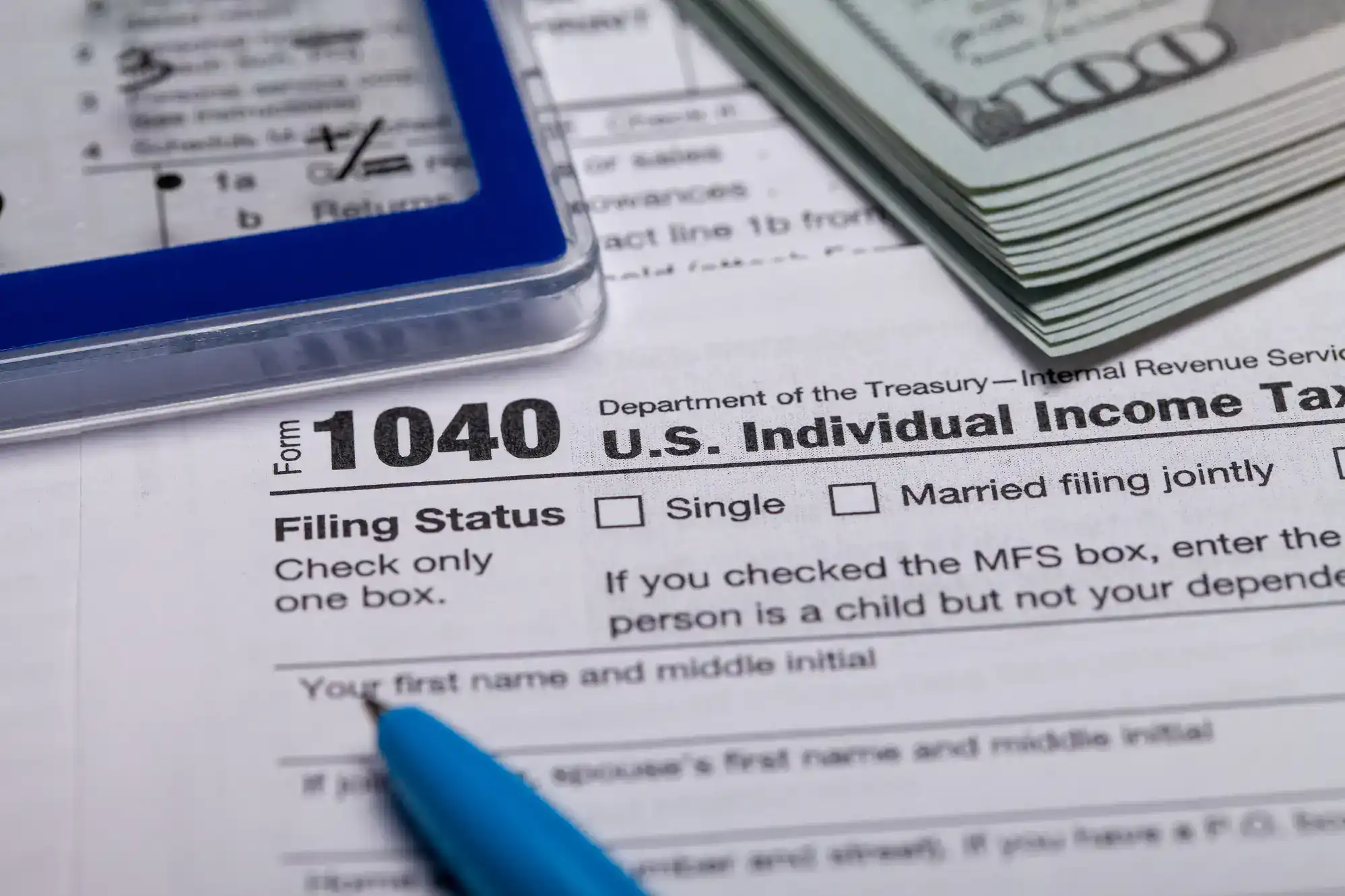
Pennsylvania doesn’t mess around with unfiled returns. The state hits you with a 5% penalty for each month your return is late, maxing out at 25% of your unpaid tax. That’s on top of federal penalties that follow the same brutal structure.
Let’s say you owe $3,000 in Pennsylvania taxes and you’re six months behind on filing. You’re already looking at a $750 penalty (25% maximum) before any interest. The federal side adds another $750 in penalties, plus compound interest on the entire balance.
Meanwhile, you’re missing out on the BBB deductions that could have reduced your tax liability in the first place. A Wayne County taxpayer earning $60,000 annually with qualifying tip income could potentially eliminate $7,675 in federal taxes through the tip deduction alone. Every month you delay filing back taxes is money walking out the door.
The Pennsylvania Department of Revenue can also assess additional penalties if they discover unreported income exceeding 25% of what you did report. This penalty alone can add another 25% to your tax bill. When you’re already behind on filings, these penalties compound quickly into amounts that can devastate your finances.
The Six-Year Compliance Rule Saves You Time and Money
Here’s some relief: you probably don’t need to file every single year you’ve missed. The IRS generally considers you compliant if you file the last six years of returns. This six-year rule can save you significant time and money compared to going back a decade or more.
However, this rule has exceptions. High-income taxpayers may need to file additional years. If the IRS suspects tax fraud or willful evasion, they can require more years. And if you’re due refunds from older years, you’ll want to file those returns quickly since you only have three years from the original due date to claim refunds.
The key is acting fast. Every month you wait, those penalties keep climbing and you risk losing refunds forever. A tax professional can review your specific situation and determine exactly which years you need to file to get compliant and start claiming BBB deductions.
Pennsylvania follows similar guidelines but has its own specific requirements. The state can pursue unfiled returns indefinitely, but they typically focus on recent years for compliance purposes. Getting current on both federal and state returns simultaneously is the most efficient approach.
Want live answers?
Connect with a All County Tax Resolution expert for fast, friendly support.
How to File Back Taxes and Claim New Deductions
Filing unfiled returns isn’t as complicated as you might think, but it requires careful attention to detail. You’ll need to gather income documents, receipts for deductions, and use the tax forms from each specific year you’re filing.
The IRS keeps wage and income transcripts for the last 10 years that you can request using Form 4506-T. This gives you W-2s, 1099s, and other income information even if you’ve lost your original documents. For deductions, you’ll need receipts and records to support your claims.
Once you’re current on all required filings, you can start claiming BBB deductions on your 2025 return and beyond. The timing matters because these deductions have specific requirements and expiration dates.
BBB Car Loan Interest Deduction Requirements
The BBB car loan interest deduction sounds straightforward, but the requirements are specific. You can deduct up to $10,000 annually in interest paid on qualifying auto loans, but only if the vehicle meets strict criteria.
The car must be new, not used. It must have final assembly in the United States. You must be the original owner and use it for personal purposes. The loan must have originated after December 31, 2024. The deduction phases out for individuals earning between $100,000 and $150,000, and joint filers earning between $200,000 and $250,000.
You’ll need to include the vehicle identification number (VIN) on your tax return when claiming the deduction. Lenders must provide Form 6050AA showing the interest you paid. This deduction is “above-the-line,” meaning you can claim it even if you take the standard deduction rather than itemizing.
The deduction expires after tax year 2028, so you have a limited window to benefit. If you’re planning to buy a qualifying vehicle, getting your unfiled returns resolved first ensures you can claim this valuable deduction immediately rather than waiting until you’re compliant.
Maximizing Your BBB Tip Income Deduction
The BBB tip income deduction is a game-changer for service industry workers, but you must be in compliance to claim it. You can deduct up to $25,000 in qualified tips annually, which could eliminate federal income tax on that entire amount.
Qualified tips must be from occupations that customarily received tips before December 31, 2024. Think restaurants, hotels, salons, spas, and similar service businesses. The tips must be cash-based and reported on your W-2 in Box 8, or on Form 1099 for self-employed workers.
The deduction phases out if your modified adjusted gross income exceeds $150,000 for individuals or $300,000 for joint filers. Like the car loan deduction, this is an above-the-line deduction available whether you itemize or take the standard deduction.
This deduction also expires after 2028, creating urgency around getting compliant. A Wayne County restaurant server earning $35,000 in tip income could potentially eliminate all federal income tax on $25,000 of those tips. Over four years, that’s substantial tax savings that requires current filing status to access.
Get Compliant Now to Claim Your BBB Deductions
The BBB deductions represent thousands of dollars in potential tax savings, but only if you’re compliant with your tax filings. Every month you delay filing unfiled returns costs you money in penalties and missed opportunities.
The six-year compliance rule means you likely don’t need to file every missed year, but you need professional guidance to determine your specific requirements. Pennsylvania’s penalty structure makes immediate action even more critical.
Don’t let unfiled returns prevent you from claiming valuable deductions that could save you thousands annually. We specialize in getting Wayne County taxpayers compliant quickly and maximizing their available deductions and credits.